Lately, I’ve been transferring lump sums from our savings to our checking account to pay for our daily expenses, so money and budgeting have been on my mind a lot.
As first time parents bringing a newborn home, our finances were the last thing on our minds. That’s actually crazy to say coming from me because I care about how money is managed—with a passion (yes, I am the nerdy one out of the two).
Certain budgeting habits that were once deeply integrated into our lifestyle slowly faded during this season. For a time, it felt freeing to spend conveniently, but it wasn’t long before that freedom lost its glory, and glitches of guilt and anxiety began to surface.
I knew it was time to bring back what we had lost—our simple rhythms of budgeting that once brought real freedom and contentment.
Knowing Where Our Money Goes
There was a peace of mind in knowing where every dollar went, so we tracked all of it—every transaction, big or small. We liked the old-fashioned Excel sheet way of budgeting (well, I liked it this way—my husband didn’t care how we did it), so whoever swiped (or is it tapped lol) was responsible for the log.
When we had our baby, naturally, all of this stopped, and peace slowly drifted into nonchalance, then into financial ambiguity.
Shopping with Intention
It was amazing to see how quickly the grocery bill increased when we shopped without intention (especially at Costco). On multiple occasions, we walked out of Costco easily spending $250, when our pre-baby goal used to be $100 per week.
We used to mentally add up the dollar amount of every item that made its way into our cart. It was like a team math game played by all members of the family (just my husband and me for now). We were never surprised at the register. I guess that meant we won the game.
At times, $100 felt impossible, but we always asked ourselves: Do we really need this item this week? Can we get it next week instead? And then somehow, it became possible.
We also rarely bought snacks—if we did, it was usually because we had some cash rewards. Sometimes, we gave ourselves a bit more flexibility, but for the most part, we aimed to stay within budget.
When Convenience Became Normal
We’ve tasted the beauty of DoorDash. Almost every lunch for the first couple of months was sponsored by DoorDash. I was thoroughly entertained by all the deals and promotions on the app, and the most exciting part was double-dashing boba.
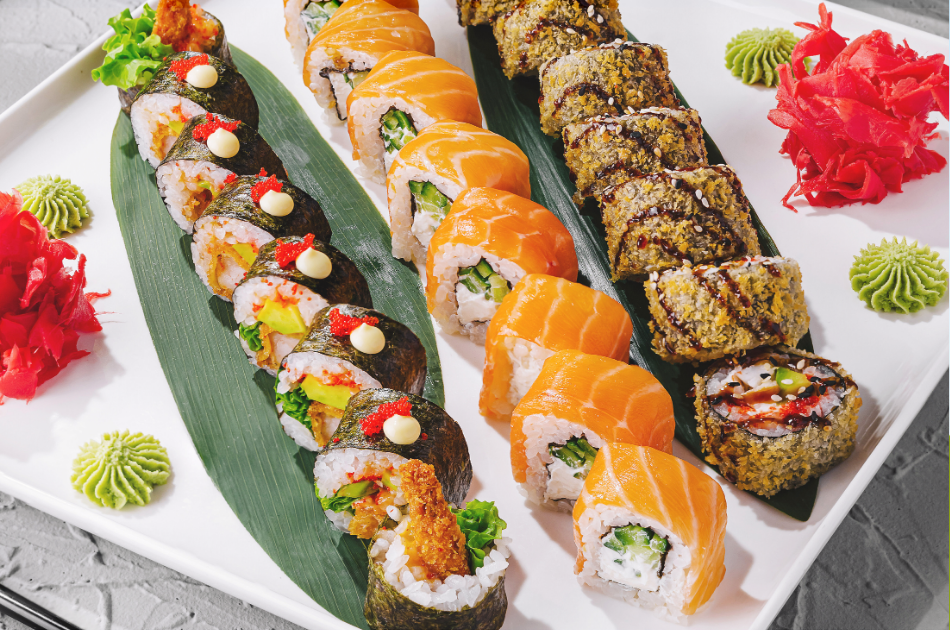
Even when we reentered society with our newborn, we found ourselves frequently feasting at our favorite places—sushi buffets and hotpot restaurants. I really would’ve liked to tell you how much we spent on eating out, but we didn’t keep track of our monthly budget sheet, so I can’t tell you.
We were miles away from the once-a-week eating out rhythm we once had.
When the Fun Stopped Feeling Fun
As the months passed, what started as fun—the enjoyment of letting go of budgeting and all of our mini practices—evolved into subtle anxiety. We had no idea how much we were spending, and although the idea of eating out and enjoying unrestricted grocery spending was exciting, I couldn’t fully enjoy it because I didn’t know where we stood with our money.
This was the turning point. I was done with feeling fake freedom and was ready to bring back what we had lost.
True Freedom and Contentment
During any big life transition, it’s OK to lose some disciplines along the way. It’s human to be this way. With any transition, you will eventually find yourself returning to a revised but familiar normal.
Simply bring back those disciplines one by one (you’ll feel it when it’s time, like I have), and keep moving along.
This is what real freedom and contentment looks like—not perfection, not rigid discipline, not simply convenient living either, but recognizing that you are human and slowly rebuilding from what you once knew as you return to a newer yet better normal.
From a family of two to now a family of three—that’s definitely a newer, better, and more fulfilling normal.







Leave a comment